
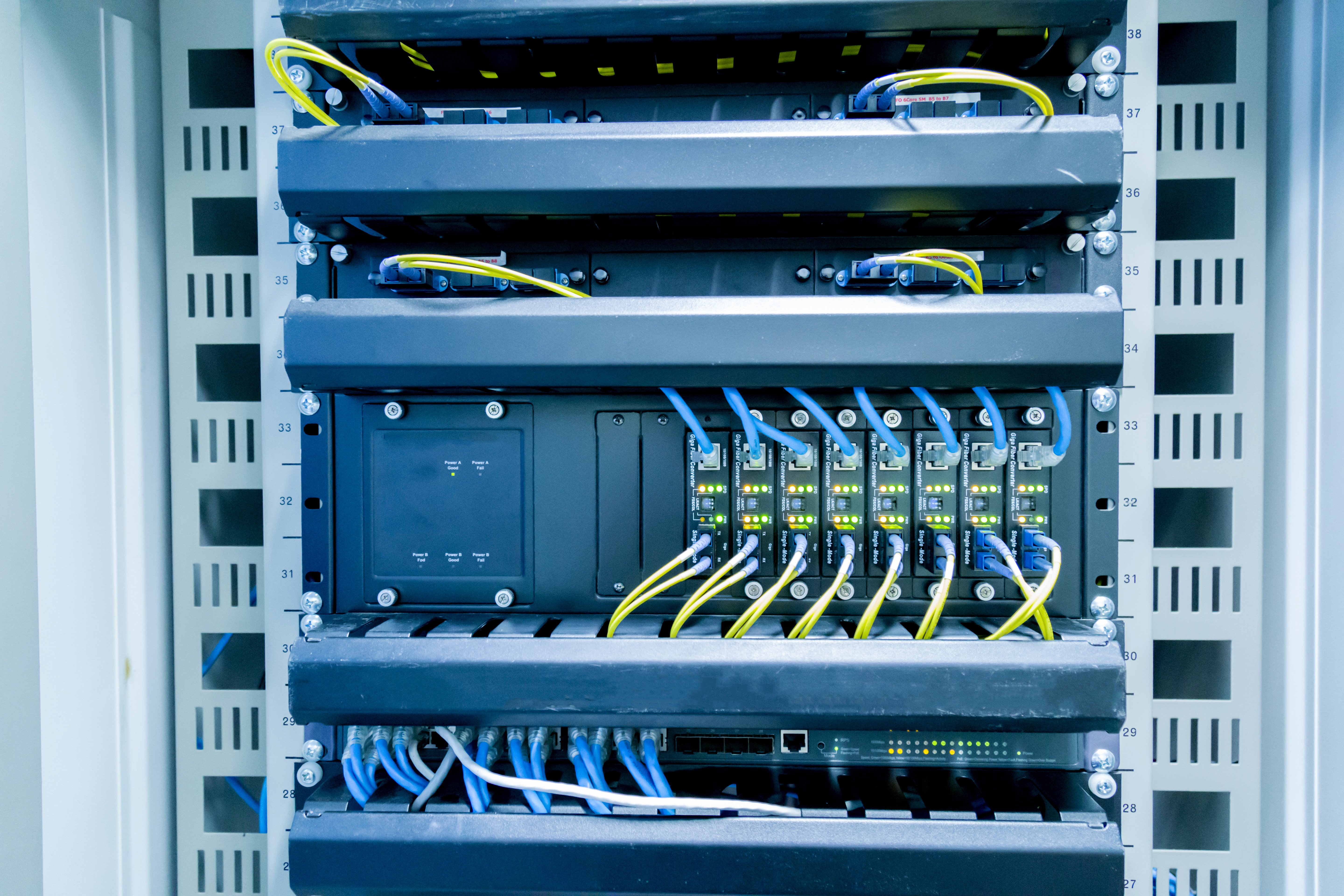


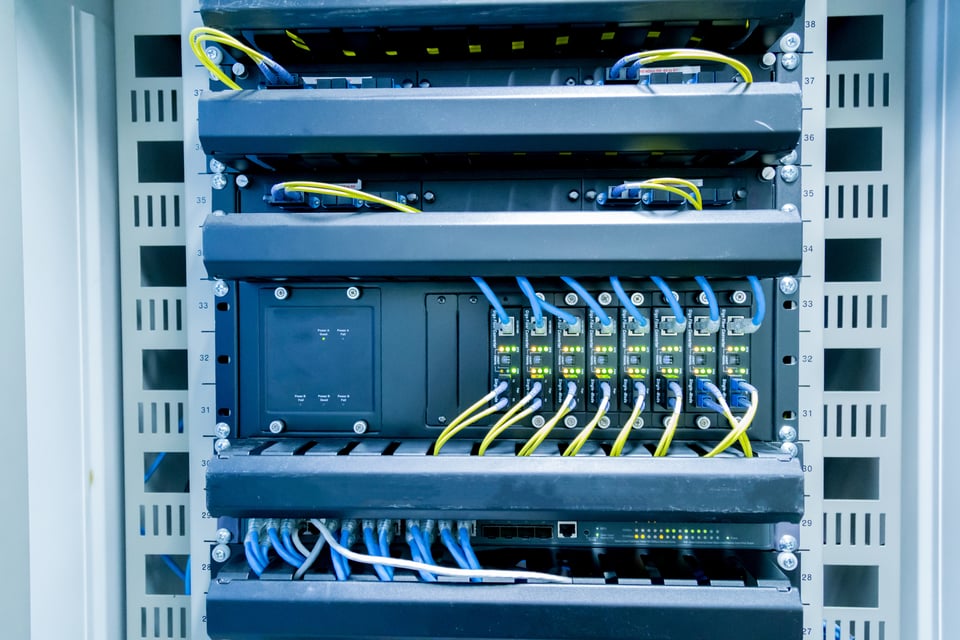
A new apartment community can open with beautiful finishes, strong leasing traffic, and a polished amenity package but lose momentum fast when residents move in and the internet underperforms. That is why WiFi network design for new apartment construction should be treated as core infrastructure, not a late-stage utility decision. In multifamily communities, internet quality now affects lease-up speed, resident satisfaction, support volume, lease renewal rates, and long-term asset value.
For owners, developers, and operators, the real question is not whether to include property-wide internet planning in development. It is whether the network will be designed like a long-term operational asset or pieced together after walls are closed and budgets are tight. That distinction shows up in resident reviews, staff workload, and NOI.
Why WiFi Network Design Needs to Start Early in the Construction Process
The biggest mistake in new development is assuming internet can be solved near certificate of occupancy. By that point, low-voltage pathways may be limited, IDF and MDF rooms may be undersized, and coverage expectations may already exceed what a patchwork design can deliver. Retrofitting around finished construction almost always costs more and performs worse than planning correctly from the start.
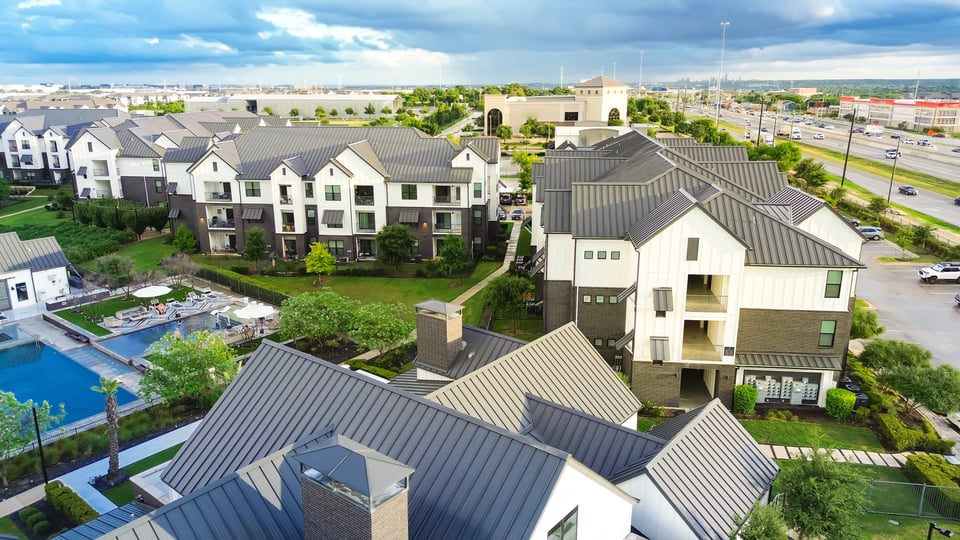
Early planning gives the project team room to align network design with building materials, unit mix, common-area use, and operational goals. Different properties have different design needs, a mid-rise with concrete walls, underground parking, and coworking space needs a different approach than a garden-style property with detached amenities and broad outdoor coverage requirements. The WiFi network should work withing the property plan, not fight to fit within it after construction.
This is also where ownership can decide what kind of resident experience it wants to deliver. If the goal is a frictionless move-in, the network must support immediate activation. If the goal is stronger smart-building operations, the design must account for access control, cameras, IoT devices, and staff systems without creating performance or security issues. Addressing these resident experience goals during the build process enables the property to not only meet their internet needs and expectations now, but well into the future as well.
What Good Multifamily WiFi Design Includes
Strong multifamily connectivity is not just about internet speed. Speed matters, but residents experience WiFi through reliability, coverage, congestion, and how quickly problems get resolved. A property can buy plenty of bandwidth and still generate complaints if the underlying design is weak.
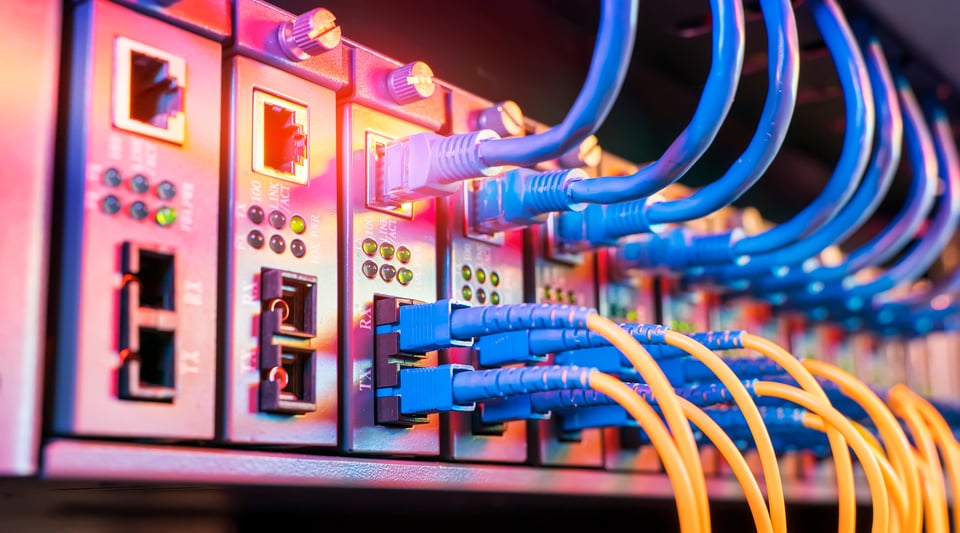
A solid plan starts with fiber-backed capacity sized for actual demand. That means accounting for streaming, gaming, remote work, connected devices, and simultaneous usage peaks across the property. It also means planning for future demand instead of building to yesterday's traffic patterns.
From there, access point placement matters just as much as the upstream circuit. In-unit coverage, hallway behavior, clubhouse density, pool deck usage, package room devices, and parking area requirements all shape the final design. Multifamily properties do not perform well with a one-size-fits-all wireless layout.
Security should also be designed into the plan from day one. Resident traffic, property operations, IoT systems, and staff usage should not live on the same flat network. Proper segmentation reduces risk, improves control, and makes troubleshooting cleaner. For owners evaluating providers, this is not an abstract IT issue. It is part of vendor risk management.
Unit-level service versus property-wide experience
Some developers still think in terms of getting service to each unit and letting the resident handle the rest. That model may appear simpler, but it often creates a fragmented experience. Residents wait for installation, deal with inconsistent support, and bring in their own equipment, which leads to uneven performance and more frustration. This model also creates an environment where each WiFi network interferes with each other, enabling a situation where none of the residents experience optimal internet speeds.
A managed, property-wide approach changes the equation. Residents can move in with WiFi ready, common areas stay connected, and onsite teams avoid becoming the middle layer between multiple retail providers and unhappy tenants. This property-wide, thoughtfully designed WiFi network is designed to work as a network for the entire property, enabling each resident to experience consistent optimal
internet speeds throughout the property without interference from competing networks. For communities competing on resident experience, that consistency matters.
WiFi is now tied to building operations
New apartment communities rely on connected systems well beyond resident internet use. Smart locks, leak sensors, thermostats, surveillance, access control, and community tech all depend on stable network infrastructure. If those systems are added later without a coordinated design, the property often ends up with coverage gaps, device conflicts, or unmanaged complexity.
That is why developers should treat connectivity as both a resident amenity and an operating platform. A network that supports only leasing-day internet needs may fall short as the property adds automation and operational tools over time.
The Trade-Offs Developers Should Weigh In
There is no single right model for every project, but there are clear trade-offs.
A lower-cost design may reduce upfront spend, but it can create higher support costs, slower lease-up, and more resident churn if the experience feels unreliable. A premium design with stronger density planning and full-property coverage can improve operations and resident satisfaction, but it needs to be justified within the broader pro forma.
Ownership also has to decide how much control it wants. A fully managed model reduces operational burden and standardizes support, while a loosely coordinated approach may leave the onsite team juggling providers, escalations, and finger-pointing. For many multifamily operators, that hidden labor cost is larger than expected.
There is also a timing trade-off. Bringing in a multifamily connectivity partner early gives the team more flexibility around conduit, closet locations, risers, and device placement. Waiting until late construction usually limits design quality and narrows options.
How to Evaluate Providers for Managed WiFi for New Apartment Construction
Developers should not evaluate this category like a commodity utility purchase. In multifamily, the provider often becomes part of the resident experience and part of daily property operations. That requires a higher bar.
Start with specialization. A provider that works broadly across commercial categories may not understand the density, support demands, and turnover patterns of apartment communities. Multifamily has its own economics, resident expectations, and operational realities.
Then look at delivery scope. Some firms can install hardware but do not manage the resident experience. Others can sell bandwidth but leave support fragmented. The strongest model is turnkey - design, deployment, secure management, monitoring, and direct resident support under one accountable partner.
Support deserves extra scrutiny. If residents cannot get fast, competent help, the burden lands on leasing and maintenance teams. That drags staff into problems they did not cause and cannot fix. Fanatical Resident Support is not a marketing phrase when your team is trying to protect online reviews and keep move-ins smooth.
Security and governance should also be part of the review. For owners and institutional operators, a network partner needs mature controls, documented processes, and credibility around protecting resident and property systems. This becomes even more important as buildings rely on connected operational technology.
Design Decisions That Pay Off After Opening
The best time to improve internet economics is before the property opens. Once residents move in, every coverage issue becomes a service problem and every redesign becomes more expensive.
Well-planned in-building pathways, properly sized telecom spaces, and coordinated low-voltage planning reduce future disruption. So does designing for outdoor and common-area usage upfront instead of treating those zones as optional. Residents increasingly expect connectivity beyond their unit, especially in student housing, mixed-use amenities, and properties with work-from-home demand.
Another payoff comes from standardization. When the network is designed, deployed, and managed as a unified system, operators get better visibility into performance and fewer surprise issues. That consistency helps with staffing, vendor management, and long-term portfolio planning.
For developers building multiple communities, repeatable standards matter even more. A consistent multifamily network strategy can reduce procurement friction, improve opening readiness, and make future renovations or expansions easier to manage.
Why The Resident Experience Should Guide The Build
Apartment internet is often discussed as an infrastructure line item, but residents experience it as a daily service. They do not care how hard the construction schedule was or how many trades had to be coordinated. They care whether video calls drop, gaming lags, and support is available when something goes wrong.
That is why the smartest approach is to reverse-engineer the design from the lived experience you want at move-in and beyond. If the goal is fast activation, fewer complaints, reliable common-area coverage, and support that does not burden onsite teams, the network has to be built accordingly.
For multifamily owners and developers, WiFi network design for new apartment construction is not just a technology decision. It is a leasing decision, an operations decision, and a reputation decision. Managed WiFi service providers such as DojoNetworks understand that because they operate where resident experience and property performance meet.
Build the network like it will be judged every day - because it will.