
WiFi Modernization for Senior Living Communities in 2026
Walk through any senior living community, and you will see how much daily life depends on...
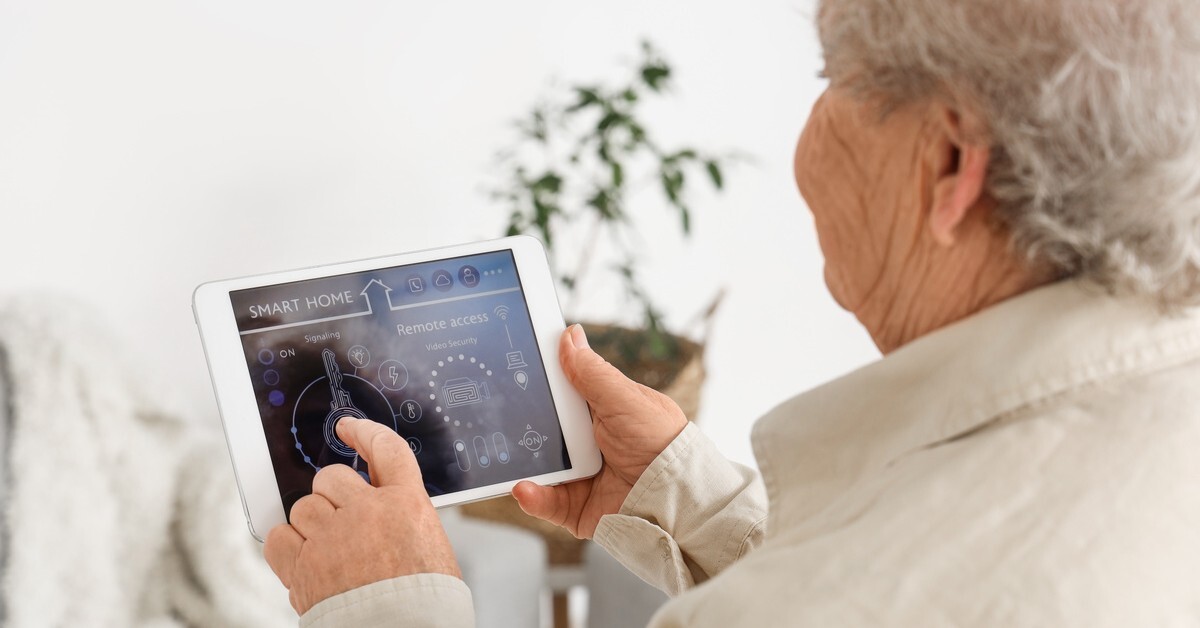


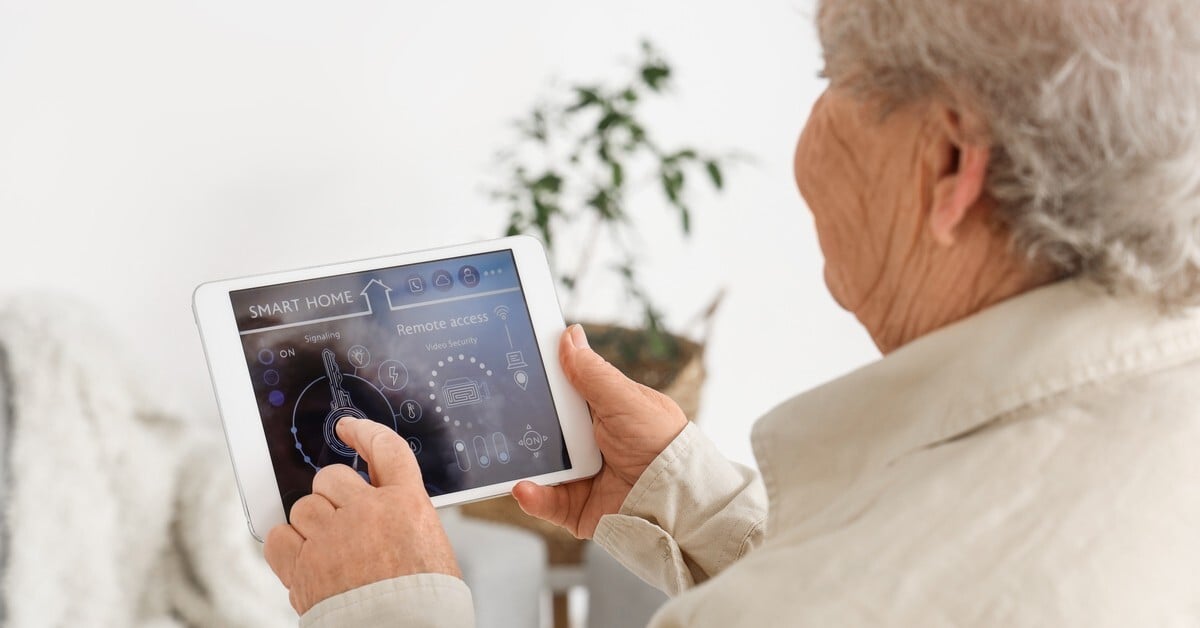
The assisted living landscape has changed dramatically over the past decade. In 2026, technology in senior care is no longer optional, it shapes daily life. Smart devices, artificial intelligence, wearables, and telehealth are integrated into routines to enhance independence, provide personalized care, and foster community.
Residents and caregivers benefit from improved safety, consistent health monitoring, enhanced comfort, and reduced environmental impact. This blog explores key technology trends in assisted living, including smart home systems, AI-driven care, telehealth, and wearable devices. We also examine implementation challenges and costs to provide a realistic view of the future of senior care.
Smart technology has moved from luxury homes into senior living communities, elevating daily comfort and safety.
Modern assisted living apartments often include automated lights, responsive thermostats, and voice assistants. These tools assist residents with limited mobility or vision. For example, Mary, who has arthritis, can adjust her room temperature or request help with simple voice commands. Automated lighting reduces nighttime falls, and digital reminders support medication adherence and daily activities. Solutions like Dojo IoT services help communities implement smart building technology efficiently utilizing authoritative guidance on integrating smart homes safely from the National Institutes of Health (NIH).
Smart locks, cameras with privacy controls, and real-time alerts supplement traditional safety measures. If George leaves his apartment at unusual hours, caregivers are notified. Emergency buttons remain, but wearable sensors and connected smoke detectors provide extra protection, offering peace of mind to residents and families. Dojo’s Managed WiFi solutions ensure secure, reliable connectivity for all smart safety devices.
AI is transforming how seniors receive care, moving beyond basic tasks to proactive health management.
AI allows communities to create personalized care plans while continuous health monitoring tracks vital signs and sleep patterns. AI identifies early warning signs, such as increased fall risk or potential infections allowing for caretakes to provide proactive care.
Inside the facility, maintenance teams benefit from predictive maintenance insights, reducing equipment breakdowns and hazards. Integrating IoT-enabled sensors with AI analytics supports smarter, safer environments, consistent with research from NIH Artificial Intelligence in Health Care.
AI is driving the future at senior living facilities and it's all reliant upon a stable internet connection.
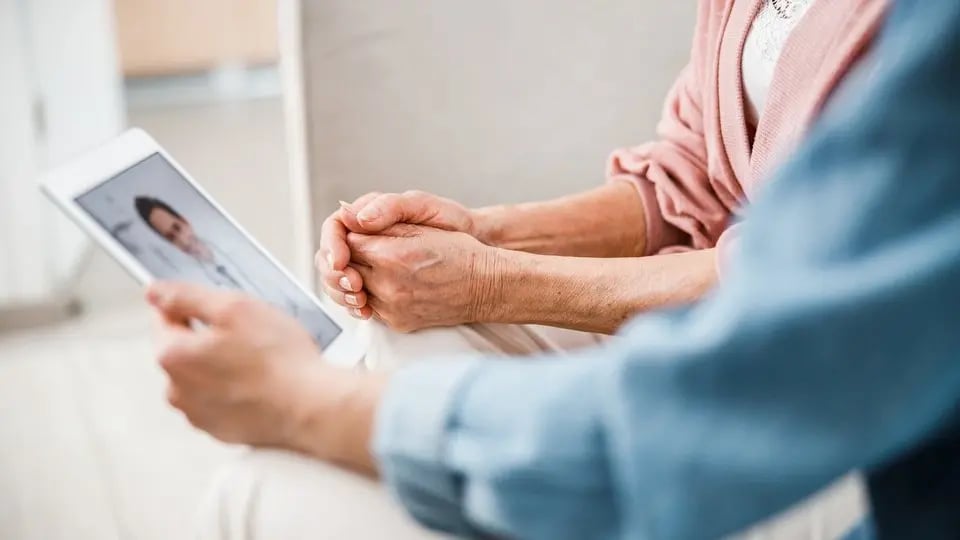
When they have a stable high speed internet connection, residents with mobility challenges or in rural areas can consult specialists without leaving their apartments. This same connection enables chronic conditions like diabetes or heart failure to receive regular remote monitoring and virtual visits that families can join to stay informed and engaged in care decisions.
Wearable devices track blood pressure, heart rate, and sleep, sending data to caregivers. Integrated systems link these metrics with medication reminders, and alerts notify caregivers if a resident misses a dose or experiences irregular health patterns, ensuring prompt response. Teleheah is critical for today's senior facilities, and DojoNetworks Full-Service ISP ensures connectivity without interruptions.
Emotional health is as important as physical health, and technology helps reduce loneliness. Video calls, private community networks, and online classes help seniors connect with family, friends, and peers. Virtual social hours allow meaningful interactions that were previously difficult to arrange. Strong WiFi from Managed WiFi networks supports uninterrupted video calls and digital engagement.
Digital games, virtual reality, and mood-focused apps enhance mental health and engagement. VR programs, for instance, let residents revisit familiar places, promoting conversation, laughter, and emotional connection.
Even advanced technology faces adoption hurdles. Building digital confidence among seniors requires patience, peer mentoring, and personalization, and success spreads when residents master apps and share experiences. Small-group, hands-on training helps staff and residents to build confidence and utilize the tools enabled by Managed WiFi.
With a quality Managed WiFi system, devices and platforms must work seamlessly. Large buttons, simple navigation, and reliable cross-platform compatibility improve usability. Communities prioritize accessibility over novelty when selecting technology.
Recommended Reading: Senior Living Facility WiFi Modernization
In 2026, smart safety devices, wearables, telehealth, and staff mobility tools all share one dependency: a network that works everywhere, all the time. That’s where WiFi modernization becomes a strategic upgrade, not an IT project. If you’re evaluating the next steps, start with our WiFi Modernization for Senior Living Communities guide for a practical checklist and planning framework.
When you’re ready for a property-specific plan—coverage mapping, phased rollout, and ongoing support—Dojo can help with Managed WiFi and full-service internet that keeps residents connected and staff systems running reliably.
We’re Here to Help Through Top of the Line Technology And Professional Support.