
WiFi Modernization for Senior Living Communities in 2026
Walk through any senior living community, and you will see how much daily life depends on...




WiFi is now as essential in senior living communities as electricity or running water. Residents depend on it for video calls, streaming, telehealth visits, and medication reminders. Staff rely on the same network to access care records, coordinate shifts, and manage daily operations. When the connection fails, it affects far more than entertainment. Senior living WiFi problems can lead to isolation, workflow delays, and serious security risks.
Below, we break down the most common connectivity issues in assisted and independent living facilities, explain why they happen, and outline practical steps administrators can take to build a more reliable network.
Connectivity challenges in senior living look different from those in a typical office or home, as older construction, medical devices, and shared infrastructure create a unique set of demands.
Many campuses were built with thick concrete walls, brick exteriors, and metal framing, and these materials block or weaken wireless signals, and the appropriate structured wiring (Cat 6 or better) was never installed. Multiple floors and long hallways, and dead zones often appear in resident rooms, dining areas, and activity spaces. Without careful planning, even a strong internet plan cannot overcome poor signal placement.
A single resident may connect a phone, tablet, smart TV, and a wearable device. Multiply that across dozens or hundreds of apartments, then add staff tablets, VoIP phones, security systems, and connected medical devices, and an aging network quickly becomes overloaded, resulting in dropped calls, buffering video, and slow cloud applications.
Some communities still operate on routers and access points installed years ago or utilizing access points in hallways only. WiFi standards have advanced significantly, and older hardware struggles to support modern speeds and security protocols. Budget constraints often delay upgrades, but postponing improvements usually increases long-term costs through constant troubleshooting and patchwork repairs.
Reliable WiFi is not just a convenience anymore. It directly affects resident well-being, staff efficiency, and regulatory compliance.
Residents use WiFi to speak with family, attend virtual religious services, join telehealth appointments, and stream entertainment. When connections fail repeatedly, many simply stop trying. That loss of access can increase feelings of loneliness, especially for residents whose families live far away. Research from the Centers for Disease Control and Prevention (CDC) highlights how social isolation significantly impacts older adults’ health and well-being.
Care teams increasingly document notes in cloud-based systems. If tablets lose connection mid shift, staff may revert to paper notes or delay updates until later. This creates duplicate work and increases the risk of errors. Over time, unreliable connectivity becomes a productivity drain.
Healthcare environments are prime targets for cyberattacks. Outdated firmware and hardware, weak encryption, and poorly segmented networks increase exposure. A secure, properly configured WiFi network helps protect resident data and supports compliance with healthcare privacy requirements under the U.S. Department of Health & Human Services HIPAA guidelines. Cybersecurity guidance from the Cybersecurity and Infrastructure Security Agency (CISA) also emphasizes the importance of routine updates, network segmentation, and proactive monitoring.
For a full discussion about how to modernize your facility and avoid these issues, you can read our detailed guide.
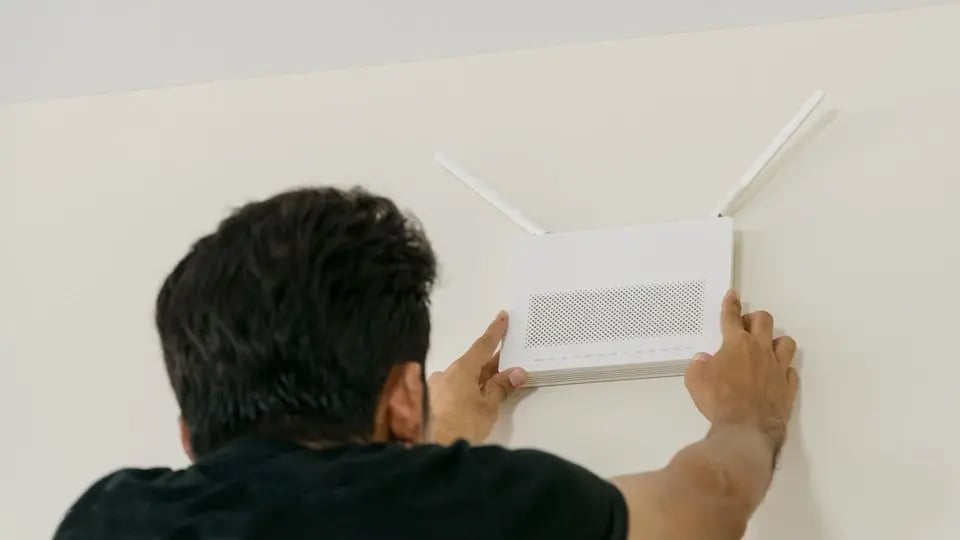
Many communities address recurring connectivity issues by partnering with providers that specialize in managed WiFi services that are designed for multi-dwelling environments like senior living, student housing, and apartment communities.
Managed WiFi typically includes network design, professional installation, proactive monitoring, security management, and ongoing support. Instead of relying on in-house staff to troubleshoot complex networking issues, facilities gain access to specialists who monitor performance and resolve problems in real time.
Strong WiFi supports daily life, clinical care, and family connection. Communities that treat connectivity as core infrastructure rather than a secondary amenity tend to see fewer complaints and smoother operations.
If you are evaluating your current setup, start with a site survey and an honest review of equipment age and performance. From there, compare the long-term costs of repeated repairs against a structured upgrade or managed solution. Reliable connectivity is not simply about speed.
If you need help or want to consider a managed strategy, we have plans customized specifically for Senior Care facilities. Contact us today or give us a call to discuss to get started with your free assessment.
We’re Here to Help Through Top of the Line Technology And Professional Support.